


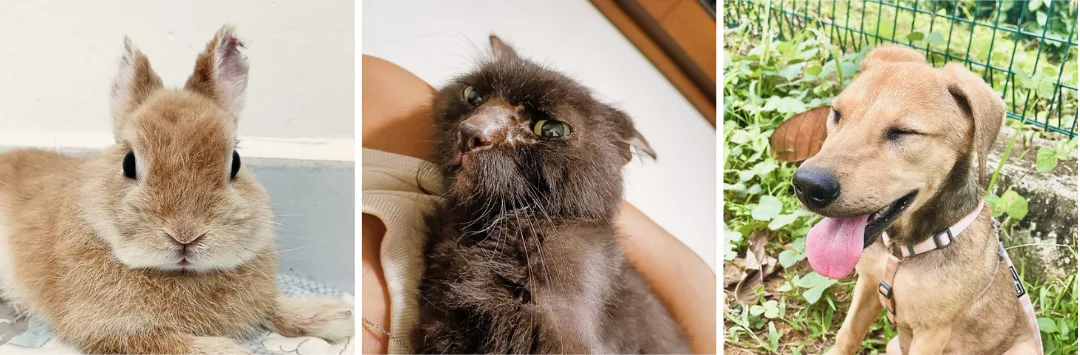
At the heart of the SPCA is an incredible community of volunteers, and Andrea is a familiar face amongst the staff and animals. Her unwavering commitment to dogs in our ‘Adoption by Application’ area – a place where dogs with more complex needs receive the time and care to heal and thrive – has changed lives.
Andrea doesn’t shy away from the hard work. She spends countless hours patiently working with dogs who require behavioural rehabilitation, giving them a second chance at happiness. Her efforts go far beyond the shelter, as she opens her home to foster animals, offering them love, stability, and the opportunity to grow and heal in a safe environment.
Through her fostering/adoption Instagram page, Andrea tells the heartfelt stories of her fosters, celebrating their milestones and unique personalities. These stories inspire hope and remind us all of the resilience of animals when given the care and attention they deserve.
Her quiet but tireless efforts have made a meaningful difference in the lives of so many animals and the people who adopt them. We are so grateful for her spirit and the incredible care she provides to the animals who need it most. Thank you, Andrea, for all that you do!
In her own words, Andrea shares what motivates her, the joys and challenges of fostering, and what it takes to help these special animals find their place in the world. Read on to get an inside look at her inspiring journey.
Andrea’s experience with fostering
How did you first get involved with fostering animals for the SPCA?
In 2018, I was volunteering at the SPCA when a clinic staff member approached me and asked if I could foster two puppies. It took some persuasion to get my parents to agree, but when they did, the puppies quickly settled into my home on the same day. While unexpected, that marked the beginning of my foster journey.
Can you share a memorable story about one of (or a few of) the animals you’ve fostered?
Every animal who has come through my door holds a special place in my heart, but there are three stories that I would like to share.
Bunbun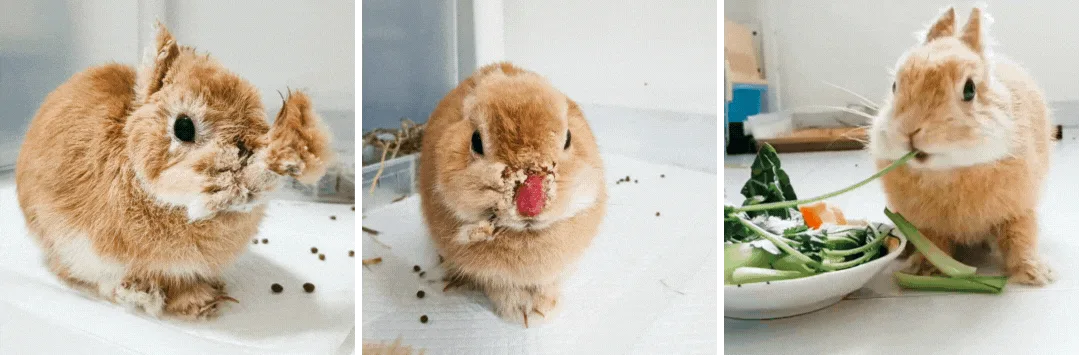
The first is a six-month-old rabbit named Bunbun. He had a rough start, abandoned on the streets at just five months old, and he suffered from severe scabies. I could never bring myself to say no to him, despite being the first rabbit I had ever touched, let alone cared for. When I brought him home, he weighed only 400 grams and was too weak to fight off the scabies. We made over ten vet trips, going through countless rounds of treatments that often proved ineffective, as he wasn’t strong enough for the more potent medications. It was a tough battle against scabies for both Bunbun and us (we ended up with scabies, too!). I vividly remember rushing him to an emergency vet at 1 a.m. during the second week because he suddenly became unresponsive. Miraculously, he perked up and started jumping around in the clinic without any intervention. That visit cost over a hundred dollars! Throughout the months of fostering him, we syringe-fed him, cleaned up after him, and spoon-fed him, gradually watching him regain his strength. When he finally recovered, this handsome boy quickly found his forever home.
Custard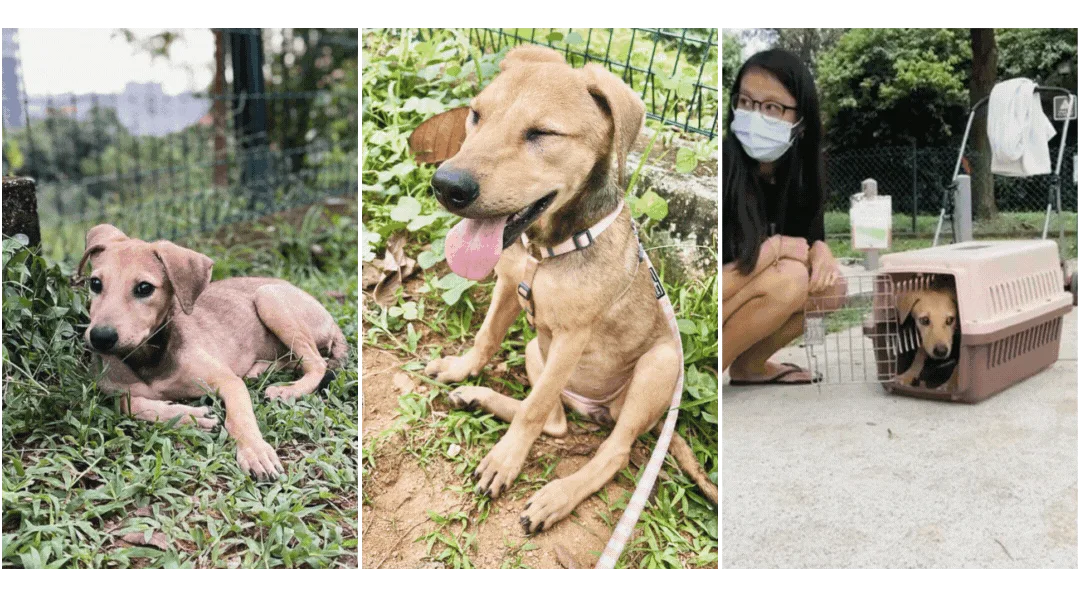
I’ve never fostered a dog as shy and fearful as Custard. For weeks, this two-month-old puppy pressed herself against the shelter kennel walls, trembling in fear. When we took her home, she would pee and poop all over us when we picked her up, could not go out for walks, and would hide under the bed or any furniture she could find. However, in a dog run, she transformed into a completely different dog – a playful, energetic, and happy pup. It broke our hearts to see her so fearful at home while we knew the joy she could experience. To give her that joy, we started putting her in a crate and carrying it to the nearest dog park, a good 15-minute walk away, every day. It was a lot of hard work. Despite her fear, Custard was the gentlest baby girl, with not a single bad bone in her. It took us many months to find her a home, but the wait was worth it. She is now living her best life in a house with a yard, playing daily with another dog.
Sirius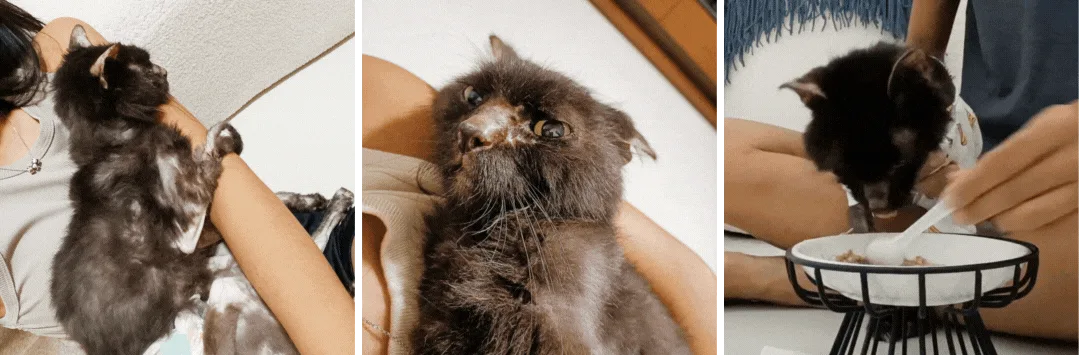
Unfortunately, not all foster stories have happy endings. Sirius was a cat I took in after he spent months at the shelter, facing slim chances of adoption as his days were limited. He had been rehomed three times before the last family abandoned him on the streets. When I brought him home, he was nothing but skin and bones and suffered from several illnesses.
Sirius had feline dementia and would walk for hours until his legs gave out, leaving him exhausted on the ground. He struggled to stand up and would often lie there for hours until we returned to help him. We had to support him while he ate, gently lay him down to encourage rest and change his diapers every few hours. Knowing that he was suffering, it was heartbreaking to see his body shutting down, and yet I was never brave enough to let him go. To this day, I miss him dearly. Knowing he experienced comfort and love in his last days brings me peace. Every life we touch matters, and I am grateful for the opportunity to have been part of his journey.
How do you prepare your home and family when taking in a new foster animal?
Always take the time to understand the needs and challenges of a foster animal before committing. Researching their appropriate diet and care requirements is important to ensure their needs are met. Even if it is just temporary, ensure that your family is fully on board with the responsibility of caring for the animal.
What challenges have you faced as a fosterer, and how have you overcome them?
Fostering is not all sunshine and roses despite lifesaving. Often, those in need of fostering have specific requirements: the sick ones need medication and care, the young ones require frequent feeding and stimulation for potty, and those with behavioural issues need training to improve their adoptability. But nothing compares to the pain of saying goodbye. I remember bidding farewell to my first foster puppies; it was heartbreaking. I cried on the way to the SPCA, sat in the kennel with them for hours while crying, and then cried all the way home without them. It felt unbearable to think they were sleeping alone on the cold, hard floor instead of my bed. Since then, I have set up an adoption page to find adopters directly. This way, my foster pets do not have to endure the stress of staying in the shelter, and I can be reassured that they are going to good families. I believe that this helps to free up shelter space for the SPCA to save another animal while my foster pet comfortably waits for a new home in my house. This has made the foster journey much more bearable, and now the handover process is truly bittersweet as I witness how adopters love and cherish their new family members.
Andrea’s experience with volunteering
What motivated you to become a volunteer at the SPCA?
Growing up, I was never an animal person. I would run away when I saw community cats around my void deck, or ask that dogs be kept in a room when visiting homes with them. I was afraid of them. Frankly, I do not have a unique or inspiring reason for volunteering at the SPCA. I joined purely out of boredom and curiosity during my polytechnic break. I still remember stepping into a dog kennel for the first time. I did not dare to move an inch and stood by the door. Luckily, the dog was so gentle. It was almost as if she understood my fear and kept her distance. Somehow, that first visit changed my perception of animals. It was surprisingly exciting and fun. And here I am, seven years later.
How has volunteering shaped or influenced your perspective on animal welfare?
My first adopted pet, a hamster named “Xiao Fan Shu” (Little Potato), from the SPCA in 2019, died at just a year old due to an improper accessory sold in a pet shop, which I never realised could hang him by the leg to death. This experience was traumatising, yet it was a turning point for me. We often trust the recommendations of pet shops and online sources, assuming they are knowledgeable, but discerning what is truly beneficial for our pets can be challenging, especially for new owners.
Thankfully, pet welfare has improved in recent years, thanks to the education efforts of various animal welfare groups. However, the harsh reality is that pet welfare will always be a concern. Animal suffering manifests in many ways, with visible issues like physical abuse and injuries, alongside invisible ones such as unmet needs, abandonment, improper housing, and neglect, regardless of whether intentional or unintentional.
“Animal welfare” is a subjective term. To me, it is about ensuring animals are in a positive state of mind, which includes meeting their physical and mental needs, providing nutritious and delicious meals, and offering a safe place to sleep at night. As someone who values freedom, I find the permanent caging of dogs, cats, and rabbits a form of cruelty. But for others, animal welfare may simply mean filling their bellies. Is there a right or wrong way to define this term? I may never know. However, I believe it will never be wrong to advocate for their happiness and safety and to encourage others to do more for their pets. Ultimately, having a pet is a huge commitment — a statement frequently heard but rarely understood on a deeper level. It is not just a commitment one is willing to make, but a commitment that requires giving one’s best. It is about more than just keeping them until the end. It is about ensuring they thrive, not just survive.
Can you describe a typical day in your role as a volunteer?
Taking the shelter dogs out for longer walks, ensuring their kennels are clean, and showering them when needed.
What is one thing you wish more people knew about the work the SPCA does?
SPCA does not put healthy animals to sleep. But then again, I wish people could understand that sometimes, euthanasia can be a compassionate choice to end an animal’s suffering. It is a sensitive and controversial topic that many avoid, often because it contradicts their beliefs. Is it truly kinder for an animal to linger in pain, waiting for death, rather than to let them go peacefully? I suppose it will always be a topic of debate. One thing I am certain of is that the SPCA acts in the best interest of the animals. While some may view it as an easy way out, I know from the passionate dedication of the staff that this is never an easy decision. In fact, it is one of the hardest they must make. I hope people can be kinder in their judgement of the SPCA and stop spreading outdated rumours that they put animals down casually. Such misconceptions hinder their ability to help more animals in need.
How do you balance your time between fostering, volunteering, and other responsibilities?
As a full-time university student interning full-time and working part-time while still attending school, adding the role of volunteering at the SPCA is indeed challenging. However, when we shift our focus from our busy lives, we realise that, while it is only four hours for us, those hours mean so much to the animals. It could be their best day ever — sniffing grass, enjoying treats, and rolling in the sun. I believe it is achievable to set aside four hours a day or two each week to help them. It all depends on how much we are willing to help.
Personal insights and reflections
What keeps you motivated to continue fostering and volunteering, especially over the long term?
The strong bond I have with the rescued animals keeps me returning to the SPCA. Many of these long-term residents have had little luck finding good homes, even after years of waiting in the shelter. As the years pass, that bond only grows stronger, and I hope to be able to see them get adopted one day.
I would also like to credit my sister, who volunteers at the SPCA with me. I remember the first few months were quite lonely when I started, but having her join has made the experience much more enjoyable and fulfilling. Together, we have explored new opportunities, such as taking the shelter dogs for outings in Botanic Gardens and East Coast Park, cooking meals for them, and training them to pose for Chinese New Year pictures. I believe it is more meaningful when we seek new opportunities and experiences to enhance the animals’ welfare in the shelter, knowing that our efforts can make a difference.
How has your involvement with the SPCA impacted your life outside of volunteering?
There are two sides to every coin. Volunteering with the SPCA has ignited my passion for helping those in need, fostering empathy and maturity while teaching me how to appreciate little things in life. I genuinely feel I have become a better person. However, witnessing the darker aspects of human nature has made me more cynical and judgmental. I also find it hard to connect with people who do not like animals. I have become more introverted, choosing to dedicate my free time to helping animals rather than socialising.
What advice would you give to someone considering becoming a fosterer or volunteer?
I remember someone once told me that my work with animals has helped me more than I have helped the animals. It was a simple statement, yet it made me think. As inherently egoistic beings, we often feed our egos when doing kind deeds. Thus, it is common to believe we are doing others a service by volunteering, whether with the SPCA or other charitable organisations. I have found myself thinking that, as a volunteer, I ought to be better appreciated.
Over time, I have come to understand that this perspective is misguided. Volunteering should come from a sincere heart that expects nothing in return. Ultimately, it is the animals who benefit from our efforts. It stems from a genuine desire to make their lives better and to help in any way we can, without expecting anything back. I believe this is the first step to a rewarding volunteering experience in any charitable organisation, not just the SPCA. Recognising how this experience can help you grow is another step closer to a meaningful journey.
Volunteering is far from the cute videos you see online of people playing with cute puppies. Depending on your area of volunteering, it may involve cleaning up messes, sweating under the hot sun while taking them for walks, and maintaining their living enclosures. Additionally, it takes commitment to be a fosterer or volunteer. We never fully know the backstory of the rescued animals, and they often need time to heal and regain trust in humans. It also takes time to learn how to work with these animals. So, it is important to be able to commit for the longer term rather than just making a visit or two.
In what ways do you think the community can better support fosterers and volunteers?
As dedicated volunteers, we definitely face a lot of burnout. From wanting to help as many animals as we can, facing increasing pet abandonment cases from the public to having difficulties rehoming rescues. Volunteers will always hope more members of the public can come forward and volunteer their time or open their homes for the rescued animals.
Looking back on your time as a fosterer, what are you most proud of? / What has been the most rewarding part of your fostering journey?
Instead of feeling proud of anything that I’ve done or achieved during my time as a fosterer, I am prouder of who the animals under my care grew to be. Many of my fosters were either near death beds or very shy. I took a lot of responsibility and commitment to ensure that the needs of my fosters were met. That included round-the-clock nursing for a sick rabbit, syringe feeding and cleaning up after fosters that had difficulty caring for themselves, making multiple trips to dog run daily to allow my shy pup to be in a place where she felt comfortable to be herself and expend all her pent up energy while giving her the socialisation that she needed. It is a lot of commitment on the fosterers when they take home a foster pet. However, it is through all this dedication that I get to witness how they eventually blossom into much more confident animals, and how they escape their deathbed and get a second chance at life. All of which I am so proud and grateful to witness.
December 2024